
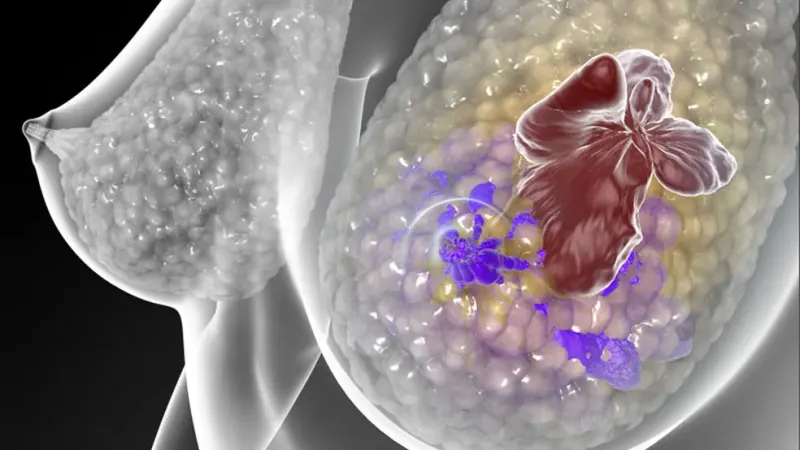
A study conducted by the National Cancer Institute (Inca) applied technological tools to estimate breast cancer risk in 40 Brazilian patients. The work, published on August 16, 2026, combines clinical data with computational analysis, paving the way for a more precise and individualized approach to disease prevention. According to Folha/UOL, the research is another step toward personalized medicine, which seeks to adapt screening and treatment strategies to each woman's profile. The initiative comes at a time when Inca projects 78,610 new cases of the disease per year in the 2026-2028 triennium, an increase of about 5,000 annual cases compared to the previous period.
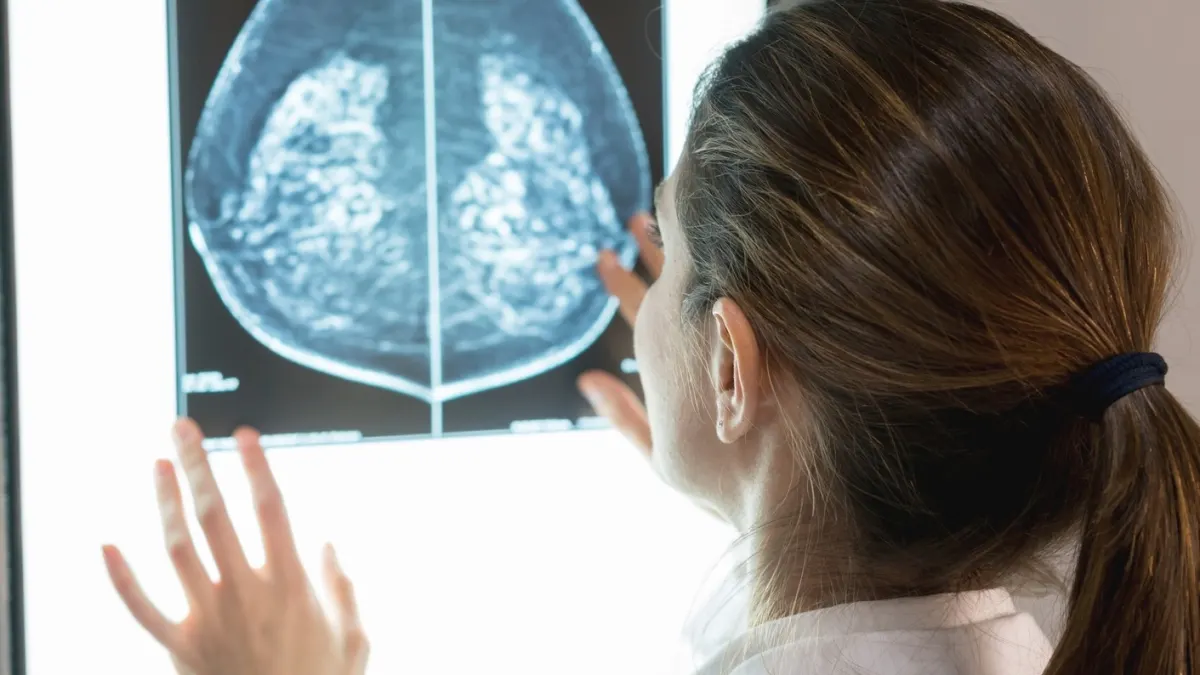
The model developed by the researchers uses algorithms to cross-reference information such as age, family history, lifestyle habits and exam results, generating an individual risk score. This approach makes it possible to identify women with a higher probability of developing the disease even before symptoms appear, which can guide earlier clinical decisions. The publication in the scientific journal in August highlights the tool's potential to complement traditional screening methods, such as mammography. For the authors, the technology does not replace imaging exams but adds an extra layer of information that can make diagnosis more efficient.
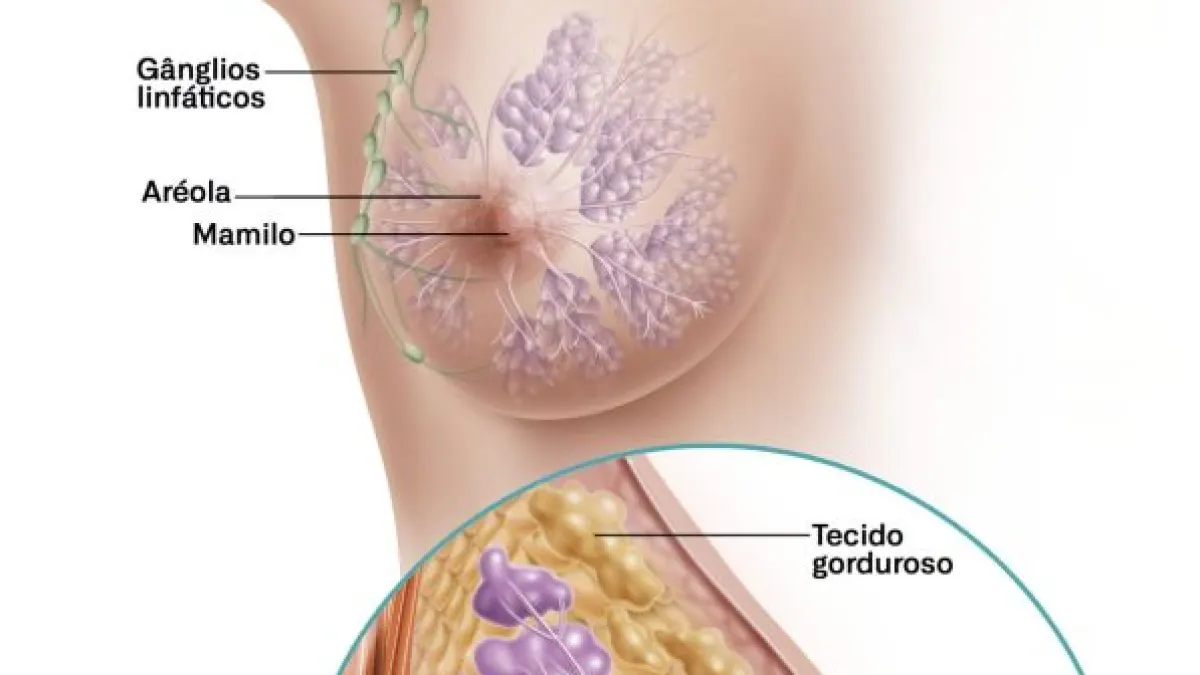
The context is challenging. The 2026-2028 Estimate survey, released by Inca in partnership with the Ministry of Health, points out that breast cancer remains the most incident type among women in Brazil, with an estimated risk of 71.57 cases per 100,000. The Southeast region concentrates the highest number of projected cases, with 40,560 new diagnoses per year. In addition, recent studies show that about 10% to 15% of breast tumors have a genetic origin, linked to mutations in the BRCA1 and BRCA2 genes, while the remaining cases are associated with random factors and lifestyle. The Inca research, by integrating clinical and computational data, seeks precisely to refine risk prediction in such a heterogeneous scenario.
Experts heard by the report emphasize that the tool still needs validation on larger scales before being incorporated into routine health services. The sample of 40 patients is considered small but sufficient to demonstrate the technical feasibility of the method. The next step, according to the researchers, is to expand the study to include women from different regions of the country and compare results with international cohorts. If the findings are confirmed, the technology could become an important ally in the SUS, especially in areas with limited access to imaging exams. The expectation is that, in the future, computational risk assessment will help prioritize mammograms for those who need them most, reducing queues and costs without losing effectiveness.
The study also dialogues with other Brazilian initiatives in the area. In August, researchers from USP and Icesp published work on BreastOncoPredict, an artificial intelligence software that predicts breast cancer recurrence risk from simple blood counts. Although with different objectives—one focuses on primary prevention and the other on recurrence—both projects reflect a growing movement to use technology to personalize oncological care in the country. For the medical community, the combination of algorithms and clinical data is an irreversible trend that promises to transform the way breast cancer is approached in Brazil. The Inca publication, although preliminary, reinforces this path. Inca study with 40 patients uses computational analysis to predict breast cancer risk. Published in August 2026, advances personalized medicine. breast cancer, Inca, technology, risk, personalized medicine, study, prevention, computational analysis breast cancer, technology, personalized medicine, Inca, research A female doctor analyzing a breast cancer risk prediction model on a computer screen with medical data charts and a mammogram image in the background, modern clinic setting Researchers at Inca use computational analysis to estimate breast cancer risk Inca breast cancer risk prediction technology computer analysis | breast cancer research Brazil computer model risk assessment A close-up of a scientist's hands typing on a keyboard while viewing a colorful data visualization of breast cancer risk factors on a monitor, laboratory environment Tool combines clinical data with algorithms to estimate individual disease risk breast cancer risk algorithm data visualization computer screen | medical researcher analyzing breast cancer data on computer
Comments 0
Login to Comment
You need to be logged in to join the discussion
Loading comments...
No comments yet
Login to be the first to comment!