
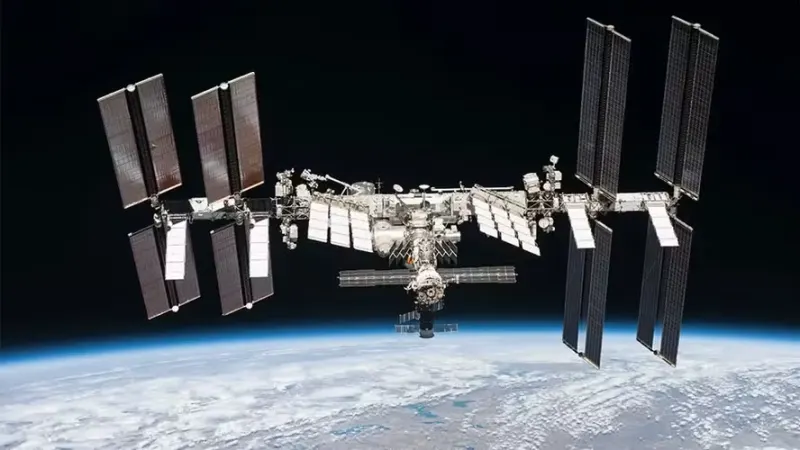
NASA took the step that defines the future of human presence in low Earth orbit. On Friday, October 9, the American space agency issued the final request for proposals for the United States industry to develop next-generation commercial space stations. These private structures are expected to succeed the International Space Station starting in 2030. Interested companies have until December 8 to submit their plans. According to Ars Technica, NASA intends to select two or more contractors among the competitors.
The announcement closes a cycle of program maturation and sets the definitive rules for anyone wanting to operate a commercial destination in low Earth orbit. The December deadline gives about two months for companies to formalize proposals with technical and financial details. The choice of more than one contractor preserves competition and creates redundancy: if one project delays or fails, the others remain standing. The logic repeats the model NASA already adopted for commercial cargo and crew services, in which it buys solutions from private suppliers instead of building its own vehicles. This time, however, the target is bigger: not a capsule or a rocket, but entire destinations where astronauts can live and work.
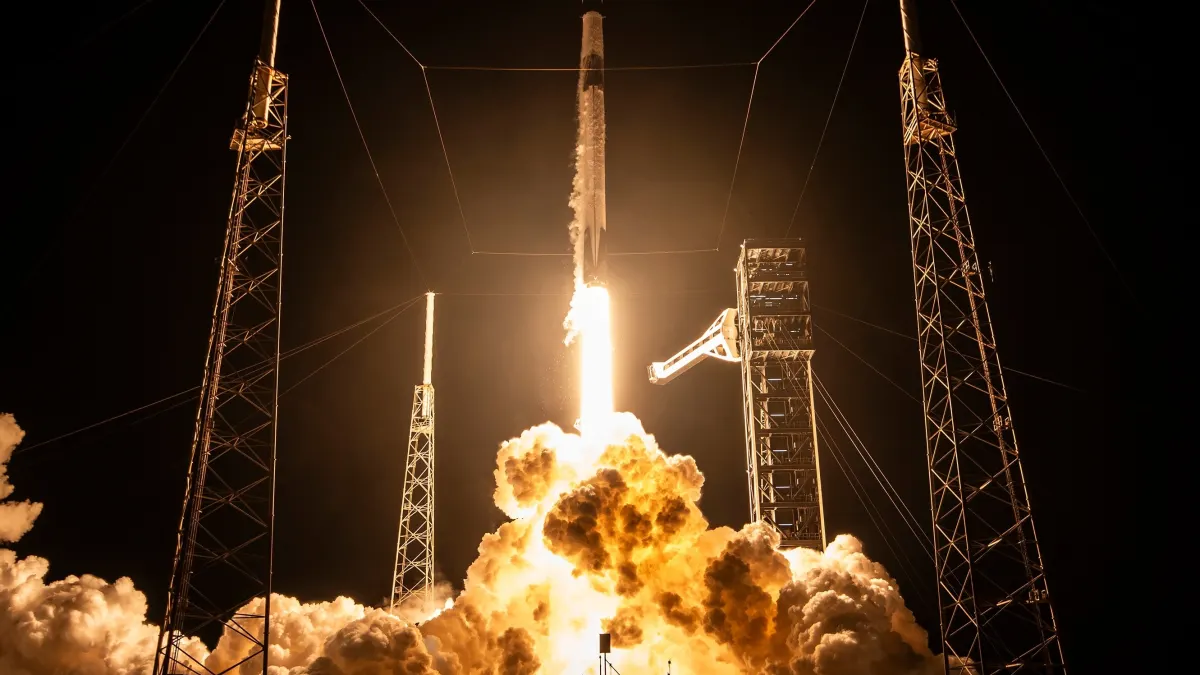
The backdrop is the final phase of the ISS, in operation for more than two decades and with retirement planned for the turn of the decade. By opening low Earth orbit to commercial operators, NASA intends to become a customer of these services, rather than the owner and operator of the infrastructure. The transition aims to ensure that microgravity research and continuous human presence in space do not suffer interruption when the current station is deactivated. For American industry, this represents the greatest opportunity so far to build and manage a space station under its own brand. The success of the plan ultimately depends on viable businesses existing in orbit — something the agency wants to test with more than one bidder at the same time.
With the final request published, the timeline is now in the hands of the companies. By December 8, competitors must deliver proposals that convince NASA they can finance, build and operate a station in low Earth orbit. The selection of two or more contractors indicates that the agency wants more than one project in simultaneous development. If the schedule holds, the 2030s should begin with the ISS retiring and new private destinations ready to take its place. For those following the space sector, the coming months will show which companies have the resources — and funding — to inherit the legacy of the largest orbital laboratory ever built.
Comments 0
Login to Comment
You need to be logged in to join the discussion
Loading comments...
No comments yet
Login to be the first to comment!