
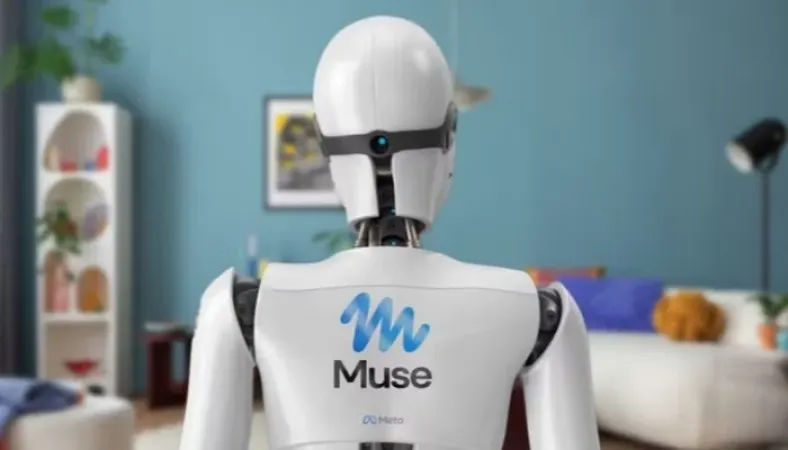
Meta built a humanoid robot prototype in partnership with Chinese robotics startup Fourier and is already working on a second version of the project. The Information reported the news this weekend, and Brazilian outlets, including Olhar Digital, covered it on November 1, 2026. The stated goal is to bring the company’s artificial intelligence into the home to handle everyday household tasks. The prototype was internally named Max and assembled in approximately three months. When contacted, Meta, The Next Web, and Reuters did not immediately confirm the details.
Max’s specifications help illustrate the project’s scope. The robot stands about 1.5 meters tall and weighs around 48 kilograms, according to the report. It runs on Nvidia’s Jetson Thor chip and features a screen capable of imitating facial expressions, as well as built-in speakers. Its hands have five fingers designed to manipulate small objects—one of the classic bottlenecks in domestic robotics. This makes Max a testing platform rather than a shelf-ready product.
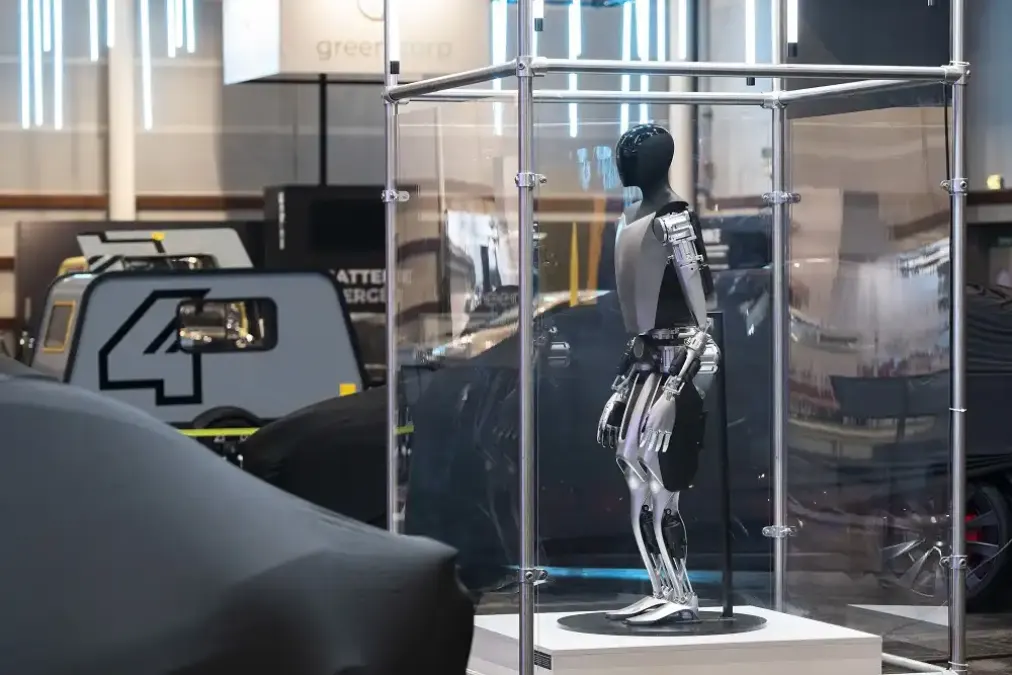
Development of the second generation, dubbed Max 2, began in September. The updated version is expected to feature a redesigned torso, hands better able to grasp objects, a projector, and extra sensors for navigating stairs. To oversee the partnership, Meta’s robotics team traveled to China: Li-Chen Miller, the company’s vice president of product for robotics, spent nearly two months at Fourier’s factory in Shanghai. The decision to produce the hardware on the other side of the Pacific says a lot about the division of labor Meta has designed.
The bet is part of a broader push. Meta sees humanoid robots as a possible physical extension of Muse, its artificial intelligence agent, with the long-term ambition of having machines help around the home. The effort began in early 2025 within Reality Labs, and an internal memo from February of that year had already called for a group dedicated to the field. In May 2026, the company acquired Assured Robot Intelligence, or ARI. Nvidia, whose chip powers Max, also agreed that same week to invest $3 billion in Meta and expand its collaboration on Muse.
Meta is entering a crowded field, where companies are competing for space in both domestic and industrial applications. Focusing on AI models, sensors, and platforms is a way to join the race without betting the entire company on robot manufacturing, a capital-intensive business fraught with supply-chain headaches. At the same time, the case lays bare a dependency: American giants invest heavily in software but turn to Chinese factories and startups when it comes to hardware. For now, Meta’s robots are exclusively for internal research and development, with no announced plans for commercial sale. Meta is developing the Max humanoid robot prototype with China’s Fourier. Standing 1.5 meters tall, it is already being followed by a second version designed for household tasks. Meta, humanoid robot, Fourier, Max, domestic robotics, Muse, Nvidia Jetson Thor, artificial intelligence humanoid robots, Meta, Fourier, domestic robotics, AI agents A white humanoid robot about 1.5 meters tall standing in a bright modern living room, screen face showing a simple expression, five-fingered hands, soft daylight, shallow depth of field, photorealistic editorial photography Meta’s Max prototype: 1.5 meters tall and focused on household tasks Meta Max humanoid robot prototype Fourier Shanghai factory | Meta Max humanoid robot Nvidia Jetson Thor screen face Engineers in a robotics lab testing a mechanical five-fingered hand holding a small object, monitors with motion data in the background, cool industrial lighting… Five-fingered hands were designed to manipulate small objects humanoid robot five-fingered hand manipulation test lab | Fourier Intelligence humanoid robot Shanghai factory engineers Close-up of a person using an AI chat assistant on a smartphone in front of a blurred office glass wall, corporate technology mood, natural light Meta wants humanoid robots to serve as a physical extension of its Muse AI agent Meta AI Muse agent smartphone app interface | Meta headquarters campus Menlo Park exterior sign
Comments 0
Login to Comment
You need to be logged in to join the discussion
Loading comments...
No comments yet
Login to be the first to comment!