
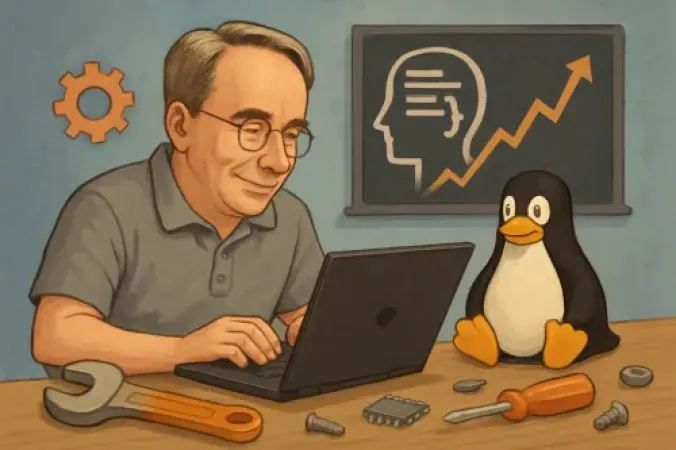
Linus Torvalds used Claude Code, Anthropic's programming agent, to draft patches and discover old bugs hidden in the Linux kernel code. The information was published by Phoronix on Tuesday, the 13th. The episode draws attention precisely because it comes from the system's creator, historically skeptical of exaggerations around new technologies. According to the publication, Torvalds did not stop at testing: he continues to defend the use of LLMs in development. For a project as conservative as the kernel, practical endorsement weighs more than any manifesto.
Claude Code functions as an agent that reads code, proposes changes and executes programming tasks from the developer's command. In practice, Torvalds used it on two fronts: generating draft patches and digging up defects that had long existed in the kernel. Old bugs are especially valuable in this context, because they survive multiple rounds of human review and can lie dormant for years. The Linux kernel is one of the world's largest collaborative projects, with thousands of contributors and a rigorous review process. Even so, latent defects slip through — and that is where an AI-assisted scan can make a real difference.
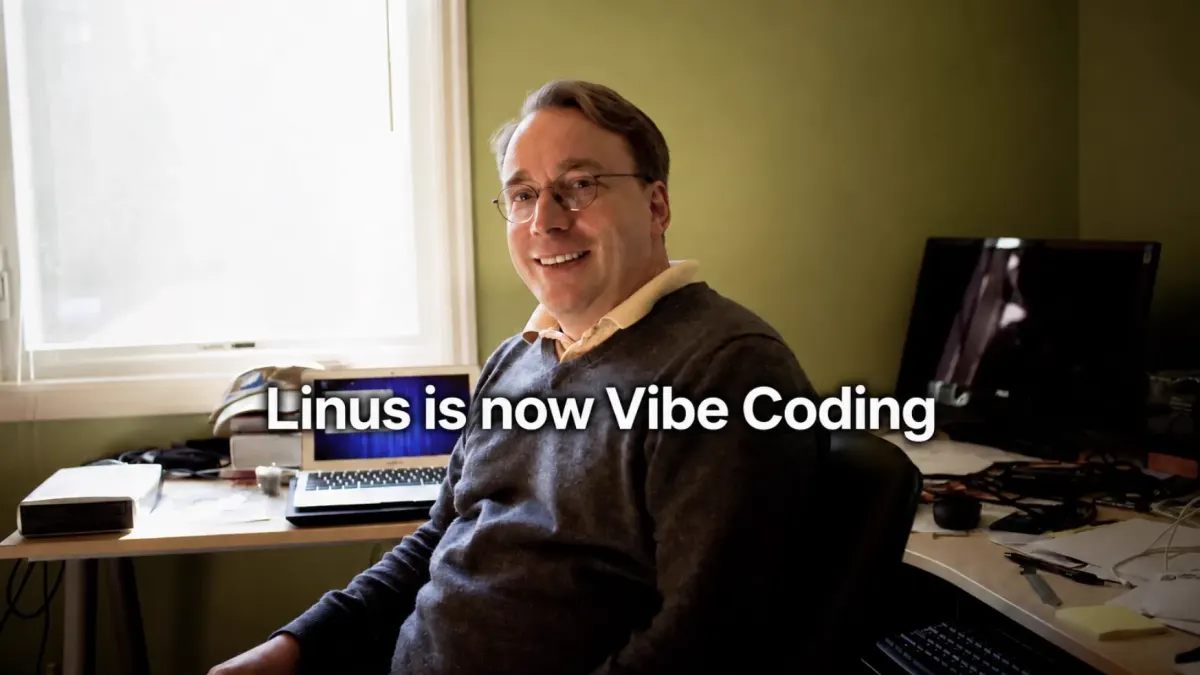
The most discussed point, however, is Torvalds' stance on language models. According to Phoronix, he maintains support for LLM use, treating the technology as just another work tool rather than a threat. The position counters some of the discomfort that exists in free-software communities about AI-generated code, a recurring theme in debates on quality, review and responsibility. When the project's creator and final arbiter speaks openly in favor of the tool, the discussion stops being theoretical. Adoption serves as a signal to maintainers, companies and contributors who still view code agents with suspicion.
The question remains how this use will be institutionalized: human review continues to be a mandatory step before any patch enters the kernel's official tree. Torvalds' experience suggests that LLMs deliver more value in hunting old regressions and automating repetitive tasks than in replacing developers. For Anthropic, having the Linux creator among Claude Code's visible users serves as a showcase in a market contested by various AI programming tools. For the kernel community, the message is that the technology has already reached the top of the technical hierarchy. The next step will be to observe whether use spreads among subsystem maintainers and whether AI-drafted patches begin appearing more frequently on mailing lists.
Comments 0
Login to Comment
You need to be logged in to join the discussion
Loading comments...
No comments yet
Login to be the first to comment!