
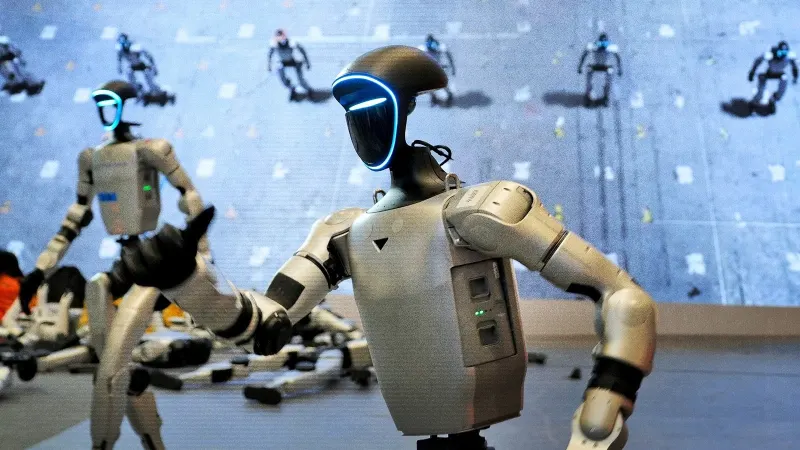
The Unitree Robotics, a Chinese manufacturer of humanoid robots known for its equipment that performs somersaults and dances, debuted on the Shanghai stock exchange on August 19 with a 460% surge on the first day of trading. The shares closed at 845 yuan, against the offering price of 150.8 yuan, after rising as much as 629% during the session. As a result, the company, officially called Yushu Technology, reached a valuation of about US$ 50 billion, according to Reuters calculations. The IPO raised 6.1 billion yuan, equivalent to US$ 904 million, and marked the first listing of a humanoid robot manufacturer in mainland China. The debut was one of the biggest events of the year on the STAR Market, the Shanghai exchange's arm focused on technology companies.
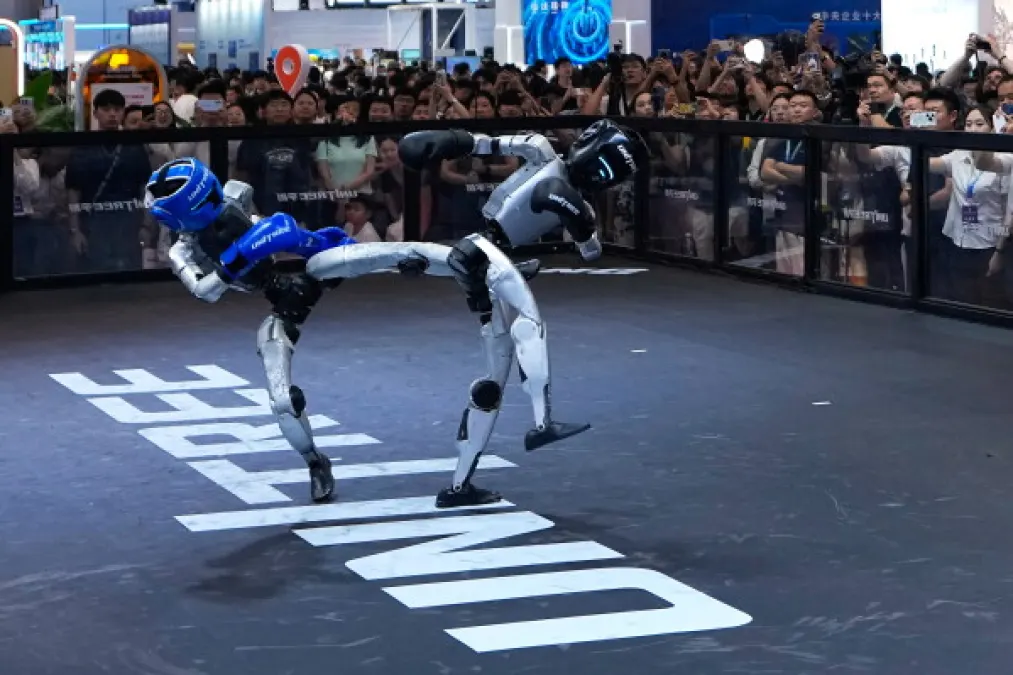
Demand for the shares was impressive: the IPO was oversubscribed 8,000 times by retail investors, according to market reports. The stock touched 1,100 yuan intraday, representing a 629% gain over the offering price, before retreating at the close. The performance puts Unitree ahead of recently listed giants such as chipmaker MetaX Integrated Circuits Shanghai. The company raised capital by selling 40.45 million new shares, equivalent to 10% of the diluted share capital. The offering price was set on August 6, valuing the company at about US$ 9 billion before the debut.
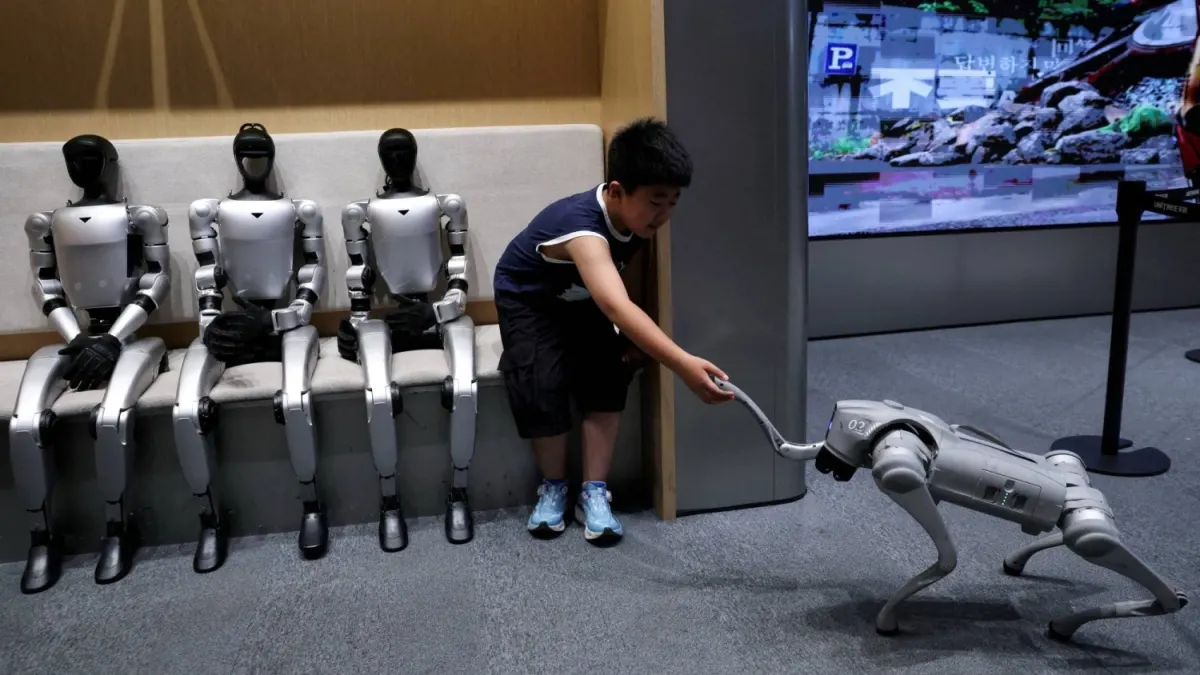
The success of the IPO reflects investor appetite for robotics companies at a time when China leads global production of humanoid robots. Unitree competes directly with Tesla and Boston Dynamics, part of the Hyundai group, but differentiates itself with its bipedal and quadrupedal robots that perform tasks such as identifying risks. Last year, the company's revenue more than quadrupled to 1.7 billion yuan, with humanoid robots generating 867.8 million yuan and surpassing four-legged models as the main business. Among the investors that supported Unitree are tech giant Tencent and artificial intelligence startup DeepSeek, which invested about 140.8 million yuan. The listing took place amid the opening of the World Robot Conference in Beijing, which attracted hundreds of companies, mostly Chinese.
Despite market enthusiasm, Unitree faces significant challenges, especially regarding the American market. The United States accounted for about 13% to 18% of the company's revenue last year, depending on the source, but new restrictions could block future models. In July, the FCC added humanoid and quadrupedal robots of foreign manufacture to its Covered List, citing national security risks. China's Ministry of Commerce responded by threatening retaliatory measures, but the move already affects the company's planning. Founder and CEO Wang Xingxing, however, maintains a cautious tone: he stated that humanoid robots are still two to ten years away from completing about 80% of domestic tasks by voice command in unfamiliar homes.
Unitree's debut follows another major Chinese IPO: chipmaker CXMT rose 466% on its first day of trading in July, becoming the most valuable company listed on a Chinese exchange, ahead of Tencent. The move indicates that China is increasingly keeping its technology companies in the domestic market instead of seeking listings in the US. In the first half of the year, global shipments of humanoid robots totaled about 19,000 units, a 272% increase year-over-year, with China accounting for 97% of those sales. Morgan projections indicate the country should ship 50,000 units this year, compared to 2,000 in 2025. For Unitree, the challenge now is to turn market hype into sustainable results, while the US$ 50 billion valuation implies a price-to-earnings ratio of about 1,300 times.
Comments 0
Login to Comment
You need to be logged in to join the discussion
Loading comments...
No comments yet
Login to be the first to comment!